
Budget Workshops Coming This Year
We're running hands-on sessions across Australia in late 2025. These aren't lectures—just practical afternoons where you'll work through your own finances with guidance from people who've been teaching this stuff for years.

Callum Finnegan
Workshop Facilitator
Spent fifteen years helping Australian families sort out their spending. Now runs these sessions because he likes seeing people actually get it rather than just nodding along.
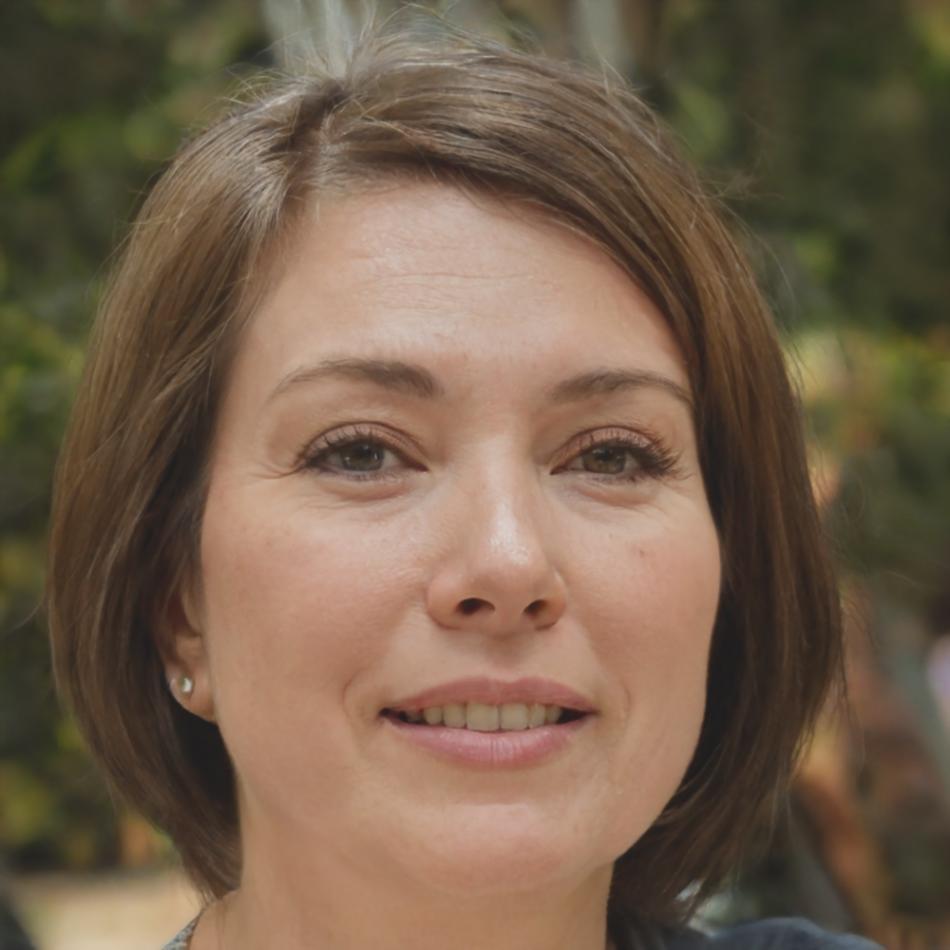
Siobhan Varga
Financial Coach
Former accountant who got tired of jargon. Specializes in making spreadsheets less scary and showing people where their money actually goes each month.
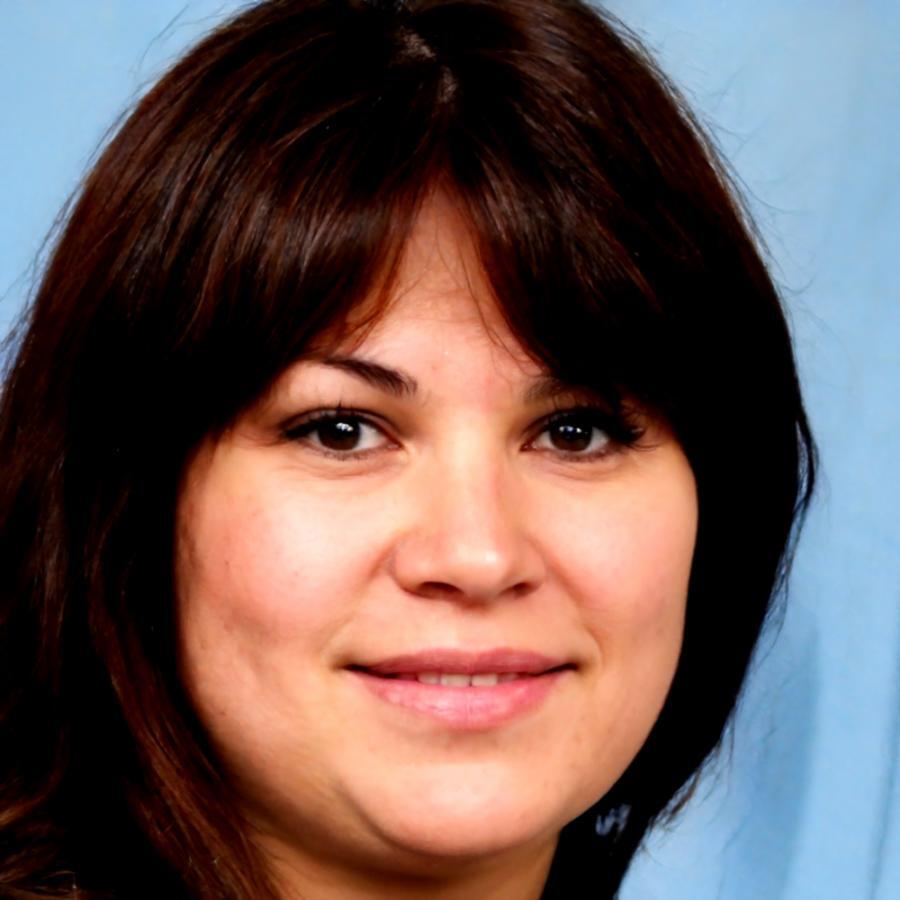
Petra Lindholm
Budget Specialist
Works with couples who can't agree on money. Good at translating between "we need to save" and "but we also need to live" without taking sides.
What's Scheduled
Four different workshops running between August and November. Pick whichever fits your situation—or come to multiple if you want.
Getting Started With Real Numbers
August 16, 2025 – Coffs Harbour
Three-hour session where you bring your bank statements and we help you figure out what's actually happening. No judgment, just math and reality checks. Bring a laptop or tablet if you have one.
Cutting Costs Without Feeling Poor
September 7, 2025 – Coffs Harbour
Four hours focused on finding the stuff you won't miss. We look at subscriptions, recurring charges, and the things you signed up for two years ago. People usually find between $80 and $200 monthly that they forgot about.
Planning For Irregular Expenses
October 11, 2025 – Coffs Harbour
Half-day workshop on car rego, insurance, Christmas, and all that stuff that ruins perfectly good months. We build a system so these don't sneak up on you anymore.
When Two People Share Money
November 22, 2025 – Coffs Harbour
Afternoon session for couples or housemates splitting costs. Covers joint accounts, separate money, and how to talk about this without fighting. Bring your partner—this one doesn't work if only one of you shows up.
Common Problems We Address
Money Disappears By Mid-Month
You start each month thinking you've got enough, then by the 15th you're scraping by. It happens when small daily spending isn't tracked—coffee, lunch, random online purchases add up faster than most people realize.
We set up a simple daily tracking method that takes about two minutes. You'll see patterns within a week, and most people find they can save $40-70 weekly just by being aware of what they're doing.
Budgets Never Work Past Week Two
You make a detailed plan, stick to it for ten days, then something comes up and the whole thing falls apart. Rigid budgets fail because life isn't predictable—you need flexibility built in from the start.
We teach the "buckets" approach where you allocate money to categories but can move between them. It's more forgiving and actually sustainable because it works with how people actually live.
Partners Can't Agree On Spending
One person wants to save, the other thinks you should enjoy your money now. Different money backgrounds create conflict—what feels wasteful to one person feels normal to another.
We facilitate a conversation where both people get to explain their reasoning without being told they're wrong. Then we find a middle path that gives each person some control over discretionary money while building shared goals.
Unexpected Bills Cause Panic
Car registration, insurance renewal, school costs—these aren't actually unexpected, they just feel that way because they're not monthly. When they hit, they wreck your budget and often go on credit cards.
We help you list every annual or irregular expense, then divide by twelve. You put that amount aside monthly so when bills arrive, the money's already there. Simple but genuinely effective.
What You'll Actually Do
These workshops are working sessions. You'll leave with spreadsheets filled in, systems set up, and actual changes made to your accounts. Here's what previous sessions looked like.



Spaces Are Limited
We keep groups small so everyone gets attention. Most sessions fill up about six weeks before the date. If you're interested, contact us sooner rather than later.
Ask About Availability